
skeptical?
You have every right to be skeptical. You’ve already thrown a lot of money at this problem with companies who were 100% confident they could fix it, but didn’t
Our diagnostics come with a total resolution guarantee. If we fail to solve the underlying issue plaguing your system, we will keep working at our own expense until the issue is completely resolved.
Solving root issue(s) will:
Improve overall building health.
Improve overall comfort and ventilation.
Improve employee retention and productivity.
Reduce overall noise and vibration noise levels.
Improve overall comfort and ventilation.
Reduce overall owning and operating costs.
Reduce overall energy consumption.
Diagnostic Services
We do not provide Engineering Studies, Energy Audits or Maintenance Checklists. Instead, we perform exhaustive, instrumentation-based measurements. This allows us to forensically diagnose and isolate deep system failures. These issues are often buried in the mechanical design, installation compromises, or an inaccurate Test & Balance efforts. We also isolate nuances within your Building Automation System (BAS).
Our team successfully bridges the gap between desk-bound engineering theories and hands-on mechanical execution. We provide building owners and asset managers with absolute technical clarity and actionable corrective actions.
Drawing Review
We must first confirm that your building is set-up to win. The original blueprints and design serves as the fundamental baseline of how the systems work together. Because of this, your team must have that rock-solid confidence that the design is accurate and can meet your comfort expectations.
Many variables can compromised a design. While rare, design anomalies happen in complex, nuanced designs. Systems with variable air flows and water flows across different smoke compartments require highly intricate and complex controls strategies. Therefore, we double-check all air volumes, water volumes, duct and pipe sizes. If the calculations add up on paper, the expected outcome is achievable in reality.
The Drawing Review also reveals how the systems and the controls integrate. In complex applications, we must comprehensively understand the engineers design intent. This fundamental knowledge is critical. It guides our professional assessment across Installation Verification, Test & Balance and Functional Performance Testing.
Installation Verification
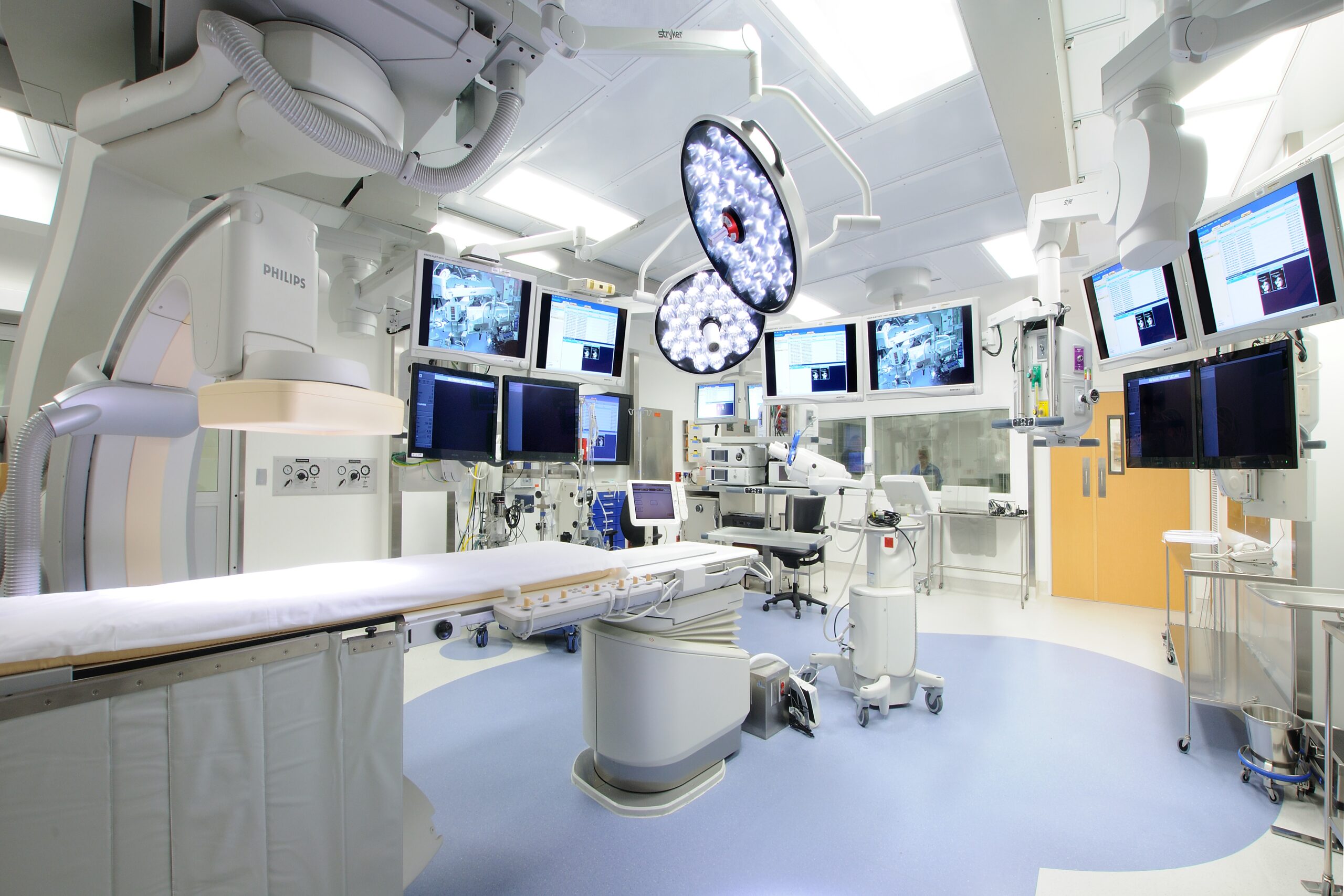
To create the intended environment, mechanical systems must match the design layouts. We verify that your installed equipment meets the exact performance ratings specified in the mechanical schedules. This rule applies to not only the large pieces of equipment, but also the smaller integrated components that make up a system.
Additionally, crews must install these parts using industry best practices. This matches what the drawings and manufacturer manuals depict. We audit the AHU, chiller, and pumps, alongside the duct systems, VAVs, dampers, louvers, heaters, thermostats, and control sensors.
When systems deviate from design intent, we log them as formal observations in our project Issues Log. However, a minor installation defect is not always the catalyst for a catastrophic building failure. Our value lies in forensic prioritization. Unlike standard contractors who weaponize punch lists to sell repair proposals, we find the truth. We pinpoint exactly which deficiencies actively drive your system failures, and which ones you can safely bypass to protect your budget.
Test and Balance Verification
Before taking field measurements, we begin a process known as Pre-Engineering. This step ensures that your AHUs, VAVs, chillers, and pumps can actually achieve the required airflow and water flow targets.
This laborious audit checks every individual supply outlet, return inlet, exhaust inlet, outside air intake, and chilled water coil. We verify that it is realistic to test and balance every device to its design values. This becomes incredibly important as spaces change during years of building renovations.
During pre-engineering, we look closely for diversity issues. In short, diversity is the practice of sizing HVAC systems based on the reality that not all rooms require maximum heating or cooling at the exact same time. If renovations cause intentional airflow increases over the years, it alters this calculation. If we discover this mismatch, we record it in the Issues Log to address before balancing begins.
Using NEBB-certified and calibrated instrumentation reveals if your installed systems can hit their rated airflows, water flows, and pressures. It also proves whether these elements distribute correctly to every inlet and coil. These measurements spotlight exactly where we need to focus. Our certified, experienced technicians use these instruments as forensic tools to pinpoint the exact source of underperforming systems.
Controls Functional Performance Testing
If the drawings are accurate, the correct systems are installed right, and the Test & Balance parameters meet design needs, it comes down to the BAS. The Building Automation System must control individual components to maintain setpoints.
Comprehensive functional testing challenges your programming sequences. This process either validates your system capabilities or exposes hidden nuances that require deeper investigation. Sometimes this demands seasonal testing during extreme summer or winter weather. It is an exhaustive process that requires great tact and skill.
Over the years, operators often change, disable, or override setpoints and logic to force a different outcome. This can sabotage an entire system, leaving it incapable of automated control. To make matters worse, teams often lose track of the original airflow, pressure, or temperature targets.
Additionally, most sensors drift over time. Sensors are easy to fix when they completely fail and display a wild reading like -176°. However, it is much harder to spot sensors that have drifted off by just 10°. Your BAS might report that equipment is hitting its setpoint when the reality is significantly different. Comprehensive functional testing catches these hidden calibration anomalies inside the control system itself.